Why Do We Procrastinate — Even When We Know What to Do?
You know what needs to be done.
You have the experience. The resources. The clarity.
And still… you delay.
Not because you’re lazy. Not because you’re incapable. But because procrastination is rarely a time-management problem. It’s a leadership problem. A self-mastery problem. And it’s often happening at a deeper level than most high-performing professionals are willing to admit.
If you’re a senior leader, procrastination doesn’t look like “scrolling on your phone.” It looks like postponing a difficult decision, delaying a crucial conversation, avoiding a strategic initiative, or staying busy with tasks that feel productive while the most important move sits untouched.
The real question isn’t “Why am I procrastinating?”
The real question is: What is procrastination protecting me from?
This is where the lens of life coaching becomes powerful—because it doesn’t just push you into action. It helps you see the internal friction behind the delay.
The Illusion of Knowing vs Doing
Most leaders believe that clarity leads to action. It should. But it often doesn’t.
You can know exactly what the next step is and still not take it. Why? Because action requires more than logic. It requires emotional readiness. Internal alignment. A sense of safety in uncertainty.
Clarity tells you what to do.
But it does not automatically give you:
-
the courage to face discomfort
-
the belief that it will work
-
the identity shift required to become the person who executes
-
the willingness to be seen in a new way
That’s the illusion: “I know it, so I should do it.”
But humans are not machines. Leaders especially are not machines.
Procrastination is often a mismatch between what you know and what your nervous system believes is safe.
The Real Reasons Behind Procrastination
Let’s go beneath the surface. Here are the deeper internal challenges that drive procrastination—even in capable, seasoned leaders.
1) The purpose gap: “Why am I really doing this?”
When your purpose is vague, action becomes heavy.
You might be chasing a goal because it looks right on paper: promotion, growth, new venture, visibility, expansion. But if you haven’t connected it to a deeper “why,” your mind will resist. Your energy will leak.
Senior leaders procrastinate when their actions are not connected to meaning. They can execute for others all day. But when it comes to their own growth, the motivation often needs something deeper than logic.
A strong “why” doesn’t just motivate. It clarifies what is worth the discomfort.
2) Doubt about outcomes: “Do I believe this will work?”
Many leaders procrastinate because they are not fully convinced the effort will lead to the result.
You may be thinking:
-
“What if I invest and it doesn’t change anything?”
-
“What if I take the risk and the outcome disappoints me?”
-
“What if it fails publicly?”
This uncertainty creates hesitation. Not because you can’t act—but because you don’t want to act without control.
Procrastination becomes a way to avoid disappointment.
3) Resistance to discomfort: “Am I ready to step into uncertainty?”
Growth requires uncertainty. And uncertainty threatens the part of you that wants predictability, competence, and control.
At senior levels, you’re used to being good. Known. Trusted. In control.
But your next level may require:
-
beginner energy
-
vulnerability
-
learning in public
-
making calls without perfect information
-
risking feedback, disagreement, or failure
So you delay. Not because you don’t want growth. But because your system is resisting the discomfort of becoming someone new.
4) Lack of emotional connection to success: “Can I truly imagine success?”
Here’s a surprising one.
Some leaders can logically describe success, but they cannot emotionally feel it. They’ve never rehearsed it internally. They don’t know what it would feel like to:
-
lead with full confidence
-
own the room without overthinking
-
be visibly influential
-
make decisions fast and clean
-
have more freedom and power
When success isn’t emotionally real, your mind doesn’t move toward it. It stays loyal to the familiar.
A powerful part of life coaching is helping leaders build emotional clarity—so the future becomes felt, not just imagined.
5) Fear of success: “What will success demand from me?”
Yes—some procrastination is fear of success, not failure.
Because success often brings:
-
higher visibility
-
higher expectations
-
less privacy
-
more responsibility
-
more people projecting onto you
If you win, you might have to lead bigger. Speak louder. Be watched more. Be held to a higher standard.
And sometimes, the part of you that craves peace says: “Let’s delay this. It’s safer.”
6) Self-worth: “Do I believe I deserve this level of success?”
This is the quietest, deepest one.
Many leaders can lead teams and build outcomes but still carry internal narratives like:
-
“I’m not ready yet.”
-
“Others are more deserving.”
-
“I got lucky.”
-
“If they really saw me, they’d know.”
Procrastination becomes a strategy to avoid confronting self-worth. Because taking action forces you to face a truth: you are either going to claim your growth—or continue avoiding it.
Leadership Lens: Why Procrastination Is More Dangerous at Senior Levels
Procrastination at senior levels is rarely obvious. It’s disguised as productivity, busyness, and responsibility.
You may delay what matters most by doing what feels urgent:
-
refining decks endlessly
-
staying in operational tasks
-
being available to everyone
-
avoiding the one strategic decision
-
postponing the hard conversation
The danger is not a missed task. The danger is a slow erosion of leadership identity. You start staying loyal to the current version of you, even when your next level is calling.
And the cost compounds: diminished influence, slower growth, weaker boundaries, and increasing internal frustration.
Shift in Perspective: Procrastination Is a Signal, Not a Failure
Procrastination is not a character flaw. It’s information.
It’s telling you:
-
something feels misaligned
-
something feels unsafe
-
something needs clarity
-
something requires a stronger “why”
-
something is asking you to evolve
If you treat procrastination as a signal, you stop shaming yourself and start listening. And once you listen, you can lead yourself.
That’s the real leadership: self-leadership.
Reflection: Questions That Create Movement
Take a moment with these. Don’t answer quickly.
- What am I procrastinating on right now that actually matters?
- What discomfort am I trying to avoid by delaying?
- If I acted, what identity shift would be required from me?
- Do I truly believe the outcome is possible for me?
- What might success demand that I’m not ready to hold yet?
- What would I do this week if I fully trusted myself?
Responsibility, Growth, and the Role of Life Coaching
Procrastination doesn’t mean you lack discipline. It usually means you’re encountering a growth edge—where your old ways of operating are no longer enough.
If you’re serious about growth, don’t just push yourself harder. Get curious about what’s underneath the delay. Because the moment you understand what procrastination is protecting, you get your power back.
This is why life coaching can be such a catalyst for senior leaders. Not because it gives you motivation. But because it helps you uncover the internal friction, reconnect with purpose, strengthen self-trust, and build the courage to act in uncertainty.
You don’t need more pressure.
You need more clarity.
And then—one intentional step.
Because leadership isn’t about knowing.
It’s about doing what you know—when it matters most.
Ready to move forward with clarity?
If you’re a senior leader and you’re serious about creating a stronger career pathway — not just incremental progress — executive coaching can help you see clearly, act decisively, and lead from your next level.
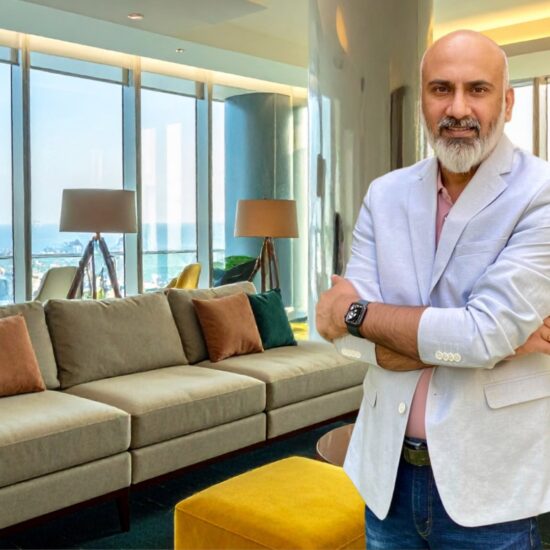
Book a 1:1 executive coaching discovery session with Coach Mandeep.
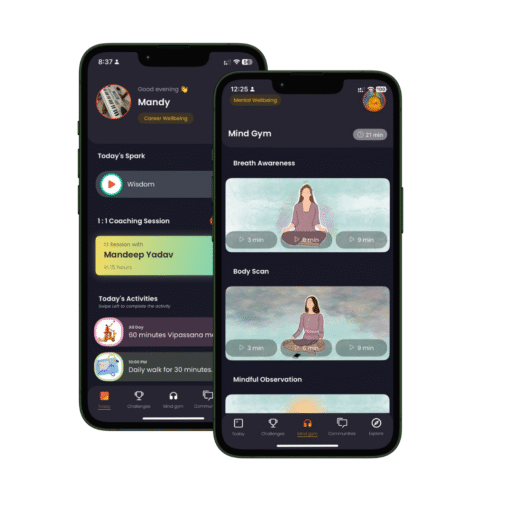
Download Executive Coaching App - Spark
Spark is an Executive Coaching Platform for Senior Leaders.
With just 15–20 minutes a day, Spark helps you build calm, clarity, resilience, and focus—through simple practices, guided reflections, and habit-building tools designed for real workdays.