Why Stakeholder Management Is a Leadership Imperative
For senior leaders today, decisions are rarely made in isolation. Almost every strategic move involves multiple voices, expectations, and competing priorities. In this environment, influence matters as much as authority.
This is where stakeholder management becomes a critical leadership capability. At its core, a stakeholder definition is simple: a stakeholder is anyone who has an interest in, influence on, or is impacted by your decisions. For senior leaders, this includes boards, peers, cross-functional leaders, teams, customers, and external partners.
Effective stakeholder management is not about pleasing everyone or avoiding conflict. It is about building trust, creating alignment, and sustaining momentum—even when interests differ.
What Is Stakeholder Management?
Stakeholder management is the intentional practice of understanding, engaging, and influencing key stakeholders to achieve shared outcomes. It goes beyond routine updates or relationship maintenance.
For senior leaders, strong stakeholder management directly impacts:
-
Decision-making quality
-
Change leadership effectiveness
-
Strategy execution speed
It is not just communication or relationship-building.
It is strategic influence with awareness—knowing who matters, why they matter, and how to engage them thoughtfully.
Why Stakeholder Management Matters for Senior Leaders
At senior levels, stakeholder management shapes both results and reputation.
Business Impact
Aligned stakeholders enable faster decisions, reduce resistance, and improve execution. Misalignment, on the other hand, quietly slows growth and transformation.
Trust & Credibility
Leaders are evaluated not only by outcomes, but by how they bring people along. Trust is built through clarity, consistency, and presence.
Organizational Alignment
Stakeholder misalignment is a hidden cost in scaling organizations. Effective stakeholder management creates coherence across functions and priorities.
Leadership Presence
How leaders manage stakeholders signals maturity, confidence, and readiness for broader responsibility. Presence often speaks louder than position.
Actionable Steps to Strengthen Stakeholder Management
1. Clarify Your Stakeholder Landscape
Look beyond the org chart. Identify who influences outcomes, understand their expectations, and revisit your stakeholder definition in each context.
2. Understand Stakeholder Perspectives
Ask: What matters to them? What pressures are they under? How do they define success?
3. Adapt Your Communication Strategically
Deliver one core message with different framing. Balance logic, emotion, and impact. Senior leaders communicate with intention, not habit.
4. Build Trust Through Consistency
Reliability matters more than brilliance. Follow-through builds credibility. Small signals shape long-term trust.
5. Manage Yourself First
Notice assumptions and emotional reactions. Stay grounded during disagreement. Presence often influences more than persuasion.
Reflection Questions for Senior Leaders
-
Who are my most critical stakeholders right now—and how intentional am I with them?
-
What assumptions do I hold about certain stakeholders?
-
How does my presence shift in high-stakes stakeholder conversations?
-
Where might stronger stakeholder management unlock greater impact?
-
What relationship deserves more conscious attention right now?
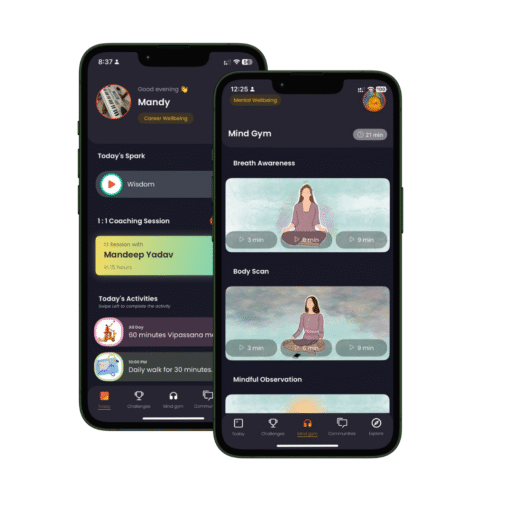
Explore how executive coaching strengthens your stakeholder management and influence
Download Executive Coaching App - Spark
Spark is an Executive Coaching Platform for Senior Leaders.
With just 15–20 minutes a day, Spark helps you build calm, clarity, resilience, and focus—through simple practices, guided reflections, and habit-building tools designed for real workdays.