1. Why Stress Management Is a Leadership Imperative
For senior leaders, stress is no longer an occasional challenge — it is a constant companion. High-stakes decisions, competing priorities, and relentless expectations create a level of pressure that, if unmanaged, quietly erodes leadership effectiveness.
The hidden cost of chronic stress shows up in subtle but significant ways: reduced clarity, reactive decision-making, strained relationships, and diminished presence. Over time, even the most capable leaders find themselves operating from fatigue rather than intention.
This is why a deliberate method of managing stress is no longer optional. It is a leadership imperative. The shift required is not from stress to no stress, but from reactive coping to proactive mastery — learning how to regulate your inner state so you can lead with clarity, composure, and credibility.
2. The Unique Nature of Stress at the Top
Stress at senior levels is rarely about workload alone. It is about responsibility, visibility, and consequence.
Leaders often carry the weight of:
-
Decisions that impact hundreds or thousands of people
-
Expectations from boards, investors, customers, and teams
-
The isolation of being the one who must stay composed
Imagine a boardroom conversation where outcomes are uncertain, or a crisis involving a key leader or client. Outwardly, you are expected to remain calm and decisive. Internally, the pressure can be intense.
What makes leadership stress unique is that how you manage it becomes a signal. Teams don’t just listen to what leaders say — they absorb how leaders show up. Your ability to regulate stress directly influences trust, psychological safety, and performance across the organisation.
Three Core Methods of Managing Stress for Leaders
An effective method of managing stress for senior leaders works at three levels: body, mind, and system. Addressing only one is rarely enough.
A. Physical Grounding: Anchor the Body First
Stress is experienced physically before it becomes mental. Grounding the body creates immediate regulation.
Practical approaches include:
-
Breathing techniques: Box breathing or coherence breathing to activate the parasympathetic nervous system
-
Movement: Short walks, standing meetings, posture resets between conversations
-
Foundational habits: Adequate sleep, hydration, and nutrition to support cognitive performance
Leaders who neglect the body often try to “think their way out of stress.” Grounding first creates the conditions for clarity.
B. Mental Clarity: Create Space Between Trigger and Response
Stress escalates when leaders react automatically to triggers — emails, conversations, or unexpected events.
Effective mental practices help leaders pause before responding.
Key methods include:
-
Mindfulness micro-pauses: 30–60 seconds of awareness before high-stakes interactions
-
Naming the story: Separating facts from interpretations (“What am I assuming right now?”)
-
Reflection practices: Journaling or coaching conversations to surface patterns
This method of managing stress does not eliminate pressure — it creates space. In that space, leaders regain choice.
C. Strategic Alignment: Reduce Stress at the Source
Many leaders manage stress daily without addressing what causes it.
Strategic stress reduction involves:
-
Clear delegation: Letting go of control without losing accountability
-
Boundaries: Recognising that not everything requires your direct involvement
-
Values-based decisions: Reducing internal conflict by acting in alignment with what truly matters
When leaders align effort with priority, stress naturally decreases. Clarity becomes a form of relief.
4. Leadership Reflection Prompts
Take a moment to reflect on the following questions. These are not exercises to complete once, but prompts to revisit regularly:
-
What situations consistently trigger stress for me as a leader?
-
How does my stress show up in my communication, tone, or behaviour?
-
Which daily micro-practice helps me reset most effectively?
-
What belief or habit could I let go of to lead with more ease?
These reflections help personalise your method of managing stress, making it practical rather than theoretical.
5. From Managing Stress to Leading with Presence
Stress management is often misunderstood as a soft skill. In reality, it is a strategic leadership advantage.
Leaders who master their inner state:
-
Communicate more clearly
-
Make better decisions under pressure
-
Build trust through calm presence
-
Create stability in uncertain environments
Small, consistent practices compound over time. What begins as stress regulation becomes leadership presence — the ability to influence outcomes simply by how you show up.
Ultimately, the most effective method of managing stress is one that supports not just wellbeing, but performance, credibility, and long-term leadership effectiveness.
If you’re curious to explore this more deeply, executive coaching or guided self-reflection can help you design a stress management approach aligned with your leadership context — not generic advice, but a method that truly works for you.
Explore How Executive Coaching Helps You Stay Calm Under Pressure
Book Your 45-Minute FREE Consultation Session With Coach Mandeep Now.
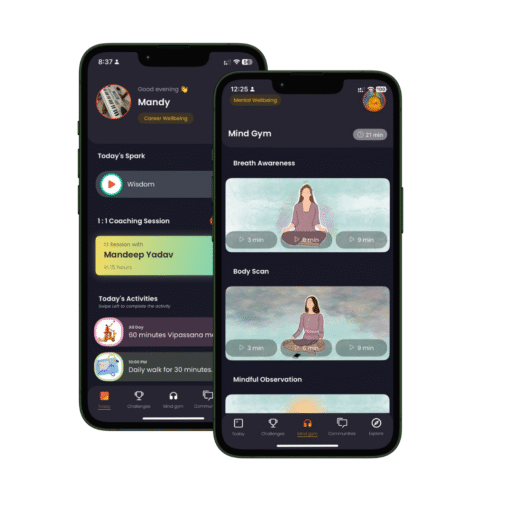
Download Executive Coaching App - Spark
Spark is an Executive Coaching Platform for Senior Leaders.
With just 15–20 minutes a day, Spark helps you build calm, clarity, resilience, and focus—through simple practices, guided reflections, and habit-building tools designed for real workdays.